

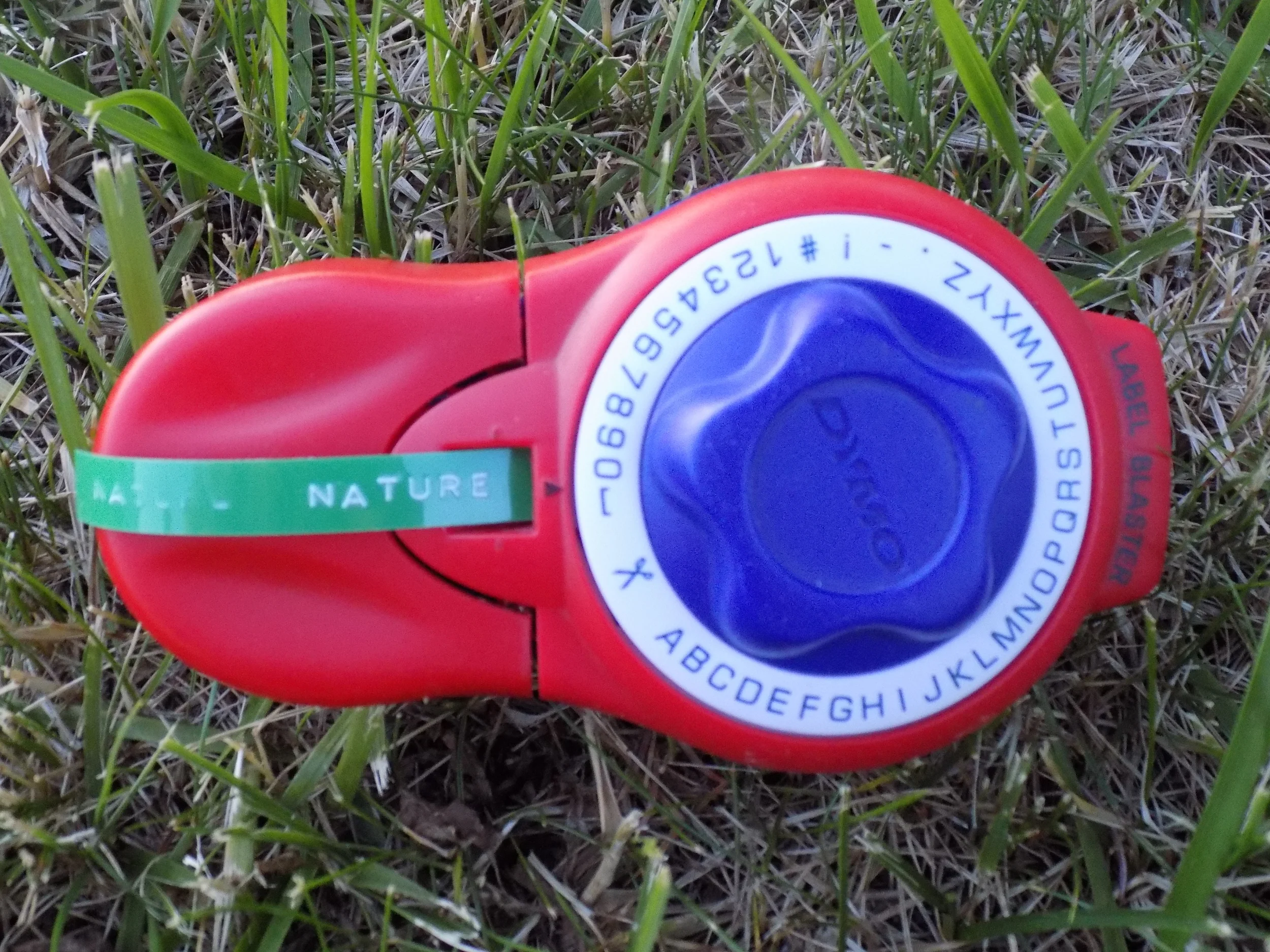
Labels annoy writers and scientists alike. I'm not talking about labels like stupid or Democrat. I mean labels that seem perfectly legitimate, logical, and provable. Just as soon as you think you've got your collection all categorized the way you like it, neat, clear, logical... that's when some upstart from two labs down throws a duck billed platypus into the works. There was a time when we knew that dinosaurs were reptiles, alligators were strict carnivores, and humans were the next evolutionary step after apes, right? When we were growing up, men were men, women were women, and there were no other options, or so our Dick and Jane readers seemed to imply. But today, we're told sexuality is a spectrum, autism is a spectrum, there are no true herbivores or carnivores, dinosaurs had feathers, and Pluto isn't even a planet! Oy.
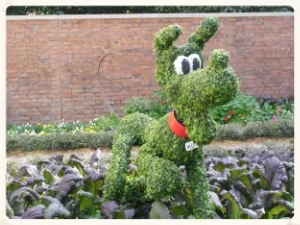
He's been demoted to topiary. Someone has to stop Neil DeGrasse Tyson before he demotes Goofy to actual dog.
The problem is, people always want categories. They want things to be easily labeled, categorized, and compartmentalized. Biology, like most of the natural world, resists such categorical labeling with the stubbornness of a two-year-old who doesn't want to take a nap. It's the problem that most trips up those who disbelieve evolution. I've heard some smart folks try to explain it, all the while missing the basic problem. If you can't imagine that categories have fuzzy boundaries, and things can slide from one to the other and back again, without anyone having gotten anything wrong, well, you aren't going to get that humans are both descendants of apes, and still apes. That doesn't even make sense to a person who thinks in terms of ladders, number scales, and light switches.
Detail of Cell from Scooby Doo, DCSD298, DC Comics, Characters originally by Hanna Barbera
Categories can be fluid.
The only way to make it possible for them to really understand about the subject, it getting them to move to a more fluid model, something like... well... fluid.
A muddy river is muddy. It flows into a clean ocean. Where does the ocean stop, and the river start? Where is the dividing line. On a map, we draw a straight line through it, and that's what we call our demarcation point. But if you're boating on that river, you won't notice any magical floating boundary lines.
Recently, a still from a video by Marlin Magazine, showing an interesting phenomenon where the Mississippi empties into the Gulf of Mexico, has been making the rounds.
A clear demarcation line, right? Well, not exactly. This line is actually caused by hypoxia due to algae blooms. The Mississippi carries a lot of silt with it down to the Gulf. Along with the silt is a lot of fertilizer from farms across the USA. The fertilizer causes algae to bloom. The algae blocks light, and causes most everything else to die. This dead zone is man made. And it is as fluid as the water it forms in. It's constantly moving, undulating with algae bloom and die offs. It's not even permanent, disappearing and reappearing with seasons and temperature fluctuations.
The salt of the ocean mixes with the fresh water over a distance of many miles. The plume of the river, traveling within the ocean, can be traced all the way to Georgia before being so thoroughly mixed, that it can no longer be seen on NASA high resolution images. All along that long route, it is slowly mixing with the ocean water. So where does the river end, and the ocean begin? Does a river end at the mouth of the river? Or does it end when it is no longer discernable as a separate plume of water? Or when its salt level achieves a particular level? When freshwater fish no longer can live in it?
Whatever we decide, it is just an arbitrary distinction we agree upon. If we decide it is the mouth of the river which determines where it ends, we could easily change the definition of the end point by choosing a different distinguishing feature. If tomorrow we decide to use the saline content as the definition, and a coalition of fisherman decide that the fish population within it is the definition, neither of us is wrong, and we weren't wrong the day before when we used geographic features to decide. We've simply changed the arbitrary end point of a category. The river, in the meantime, is exactly the same. In fact, the observations we have made about it are the same too. The same observations can lead to different categories, based on what we consider the more important distinction. So a thing can move fluidly from one category to another most easily at the edges. A river is pretty clearly a river when river boats are traversing it. But what about at the mouth of the river? For that matter, where does the river begin?
Would you call this a river?
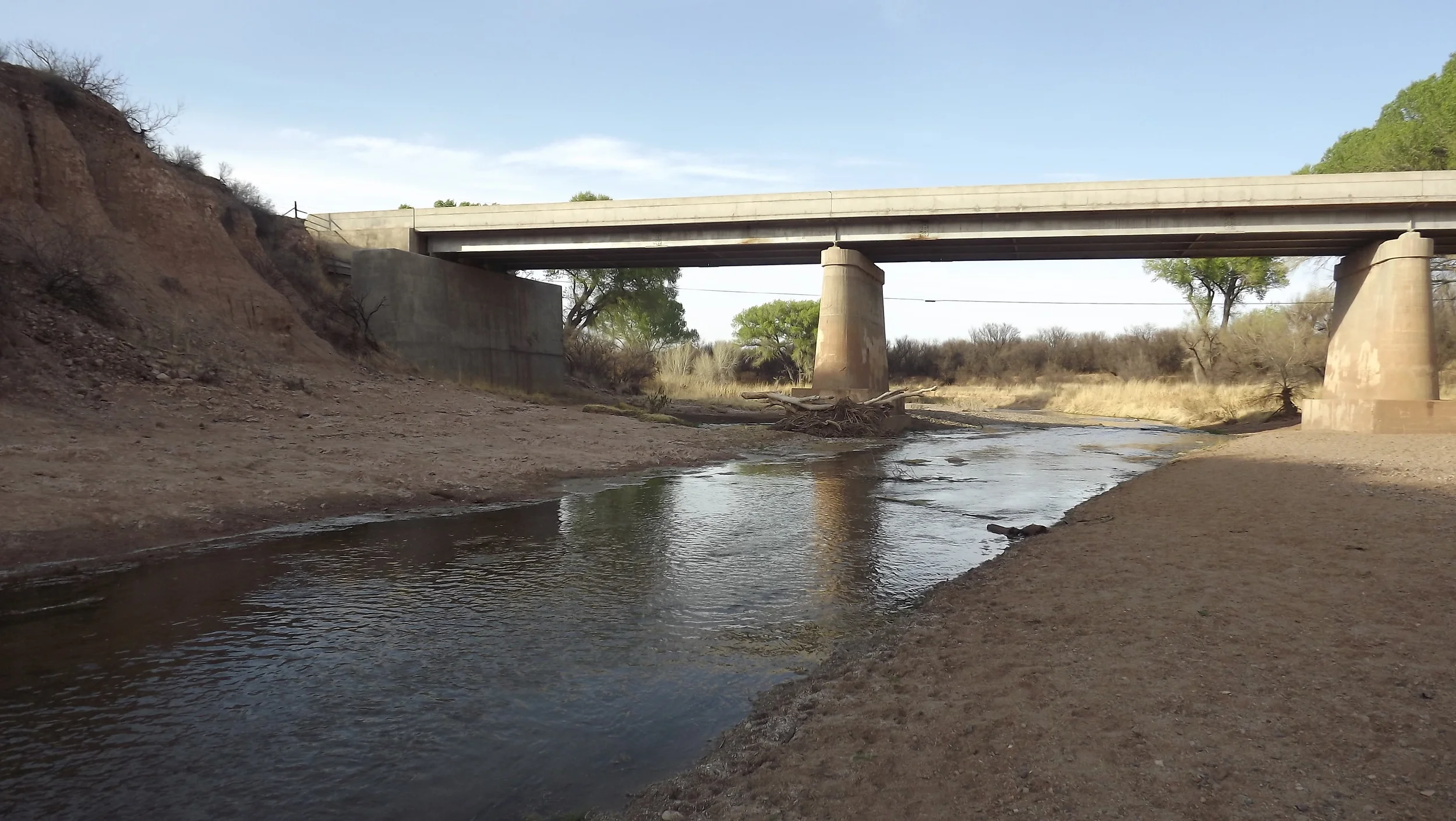
San Pedro River and Sand Pedro Riparian under highway near Sierra Vista, Arizona
Categories are not only fluctuating and fluid, they can be a bit muddy. While this narrow waterway is smaller than many creeks or streams, it is in fact the San Pedro River, in Arizona. You can tell from the sand on either side that it occasionally runs a bit deeper, but not much. When I took this photo it was about a foot deep in the center, and intermittent along its course. One can easily walk across The San Pedro at any time of the year, even after heavy rains. It wasn't always like this. Misuse of the land by cattle ranchers in the late 1800s and early 1900s as well as heavy reliance on underground aquifers that support the river have depleted the river so much that cotton woods that used to line the river are no longer supported in some places and desert plants have invaded, pushing out native species in what used to be marshland, but is now dry. So, is this a river? How do you define a river? Is it the size of the river? How large an area is serves? It's length? Google just says,
riv·er
ˈrivər/
noun
a large natural stream of water flowing in a channel to the sea, a lake, or another such stream.
synonyms:watercourse, waterway, tributary, stream, rivulet, brook, inlet, rill, runnel, freshet;
We have to consider those synonyms. I think those are not normally considered exact synonyms. More like related words. Whenever we add "let" onto the back end of a word, we are usually denoting a smaller version of something, like a booklet is smaller than a book. And while a booklet is also a book, all books are not booklets. Let's be honest, the San Pedro isn't exactly a "large natural stream", is it? So is this slow moving, smallish body of water a river, a rivulet, or something else? It does drain into a larger body, the Gila River. But little streams and creeks do that too, don't they? What's the dividing line between these things? I'm not suggesting demoting the San Pedro. It is deeper nearer it's point of origin. Occasionally it reaches a whole ten feet deep! It was certainly wider and deeper in the past. The San Pedro Riparian is a valuable wildlife habitat, though the belief that it used to be deep enough for boats to plow the waters near the Fairbank mining community is false. Is the San Pedro River, really just a stream?
It's hard to say whether a given body of water should be named a river, or a stream, or even a creek. Is there even a difference?
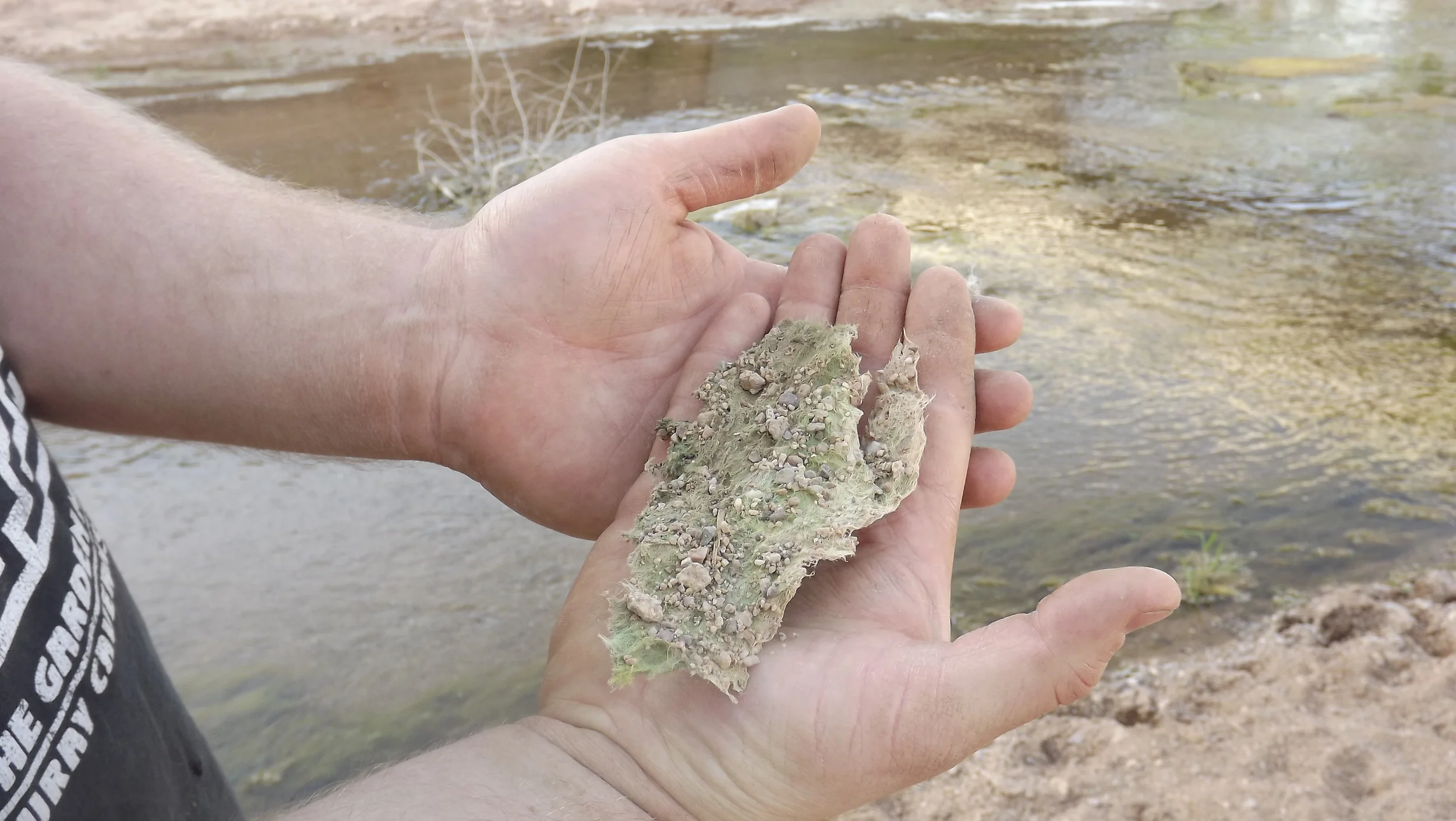
Dried algae on the bank of the San Pedro
If we follow the stream order of Strahler, we wouldn't classify the San Pedro as more than a 4th or 5th order stream, and therefore not a river. Yet Rosgen's more complicated classification system would place the biodiverse San Pedro in the category river, along with the Gila. Strahler is not wrong. His system is still in use by hydrogeologists and map makers. And Rosgen's system is also highly respected. How can they disagree, and yet both be correct? Again, they are using different, but just as arbitrary, points of distinction. Usually the two systems will both classify a given body of water a river or not river. They agree on the definition of the Mississippi or Amazon. And they would agree that Walden Lake is not a river. It's when you get to bodies that aren't at the extremes, that the classification becomes muddy.
Most classification systems rely on points of comparison. If something matches all the points for river, it is a river. If it has all the points for a given disease or hominid, then it's that disease, or hominid. When a thing does not match on any of the points of comparison, it is not a river, disease, or hominid. The problem is when it has some, but not all of the points. The San Pedro is not that large, and doesn't have that many tributaries. But it is biodiverse, has a variety of canyons and arroyos, mixed stream beds, etc. It has some of the classification points, but not all of them.
Sometimes a river stops being a river.
If a river stops flowing, dries up to a mere trickle, stops flowing into the larger body of water because of a damn (natural or unnatural), or loses its tributaries, it may actually cease to be a river. When that happens, the people who had previously called it a river aren't suddenly wrong. They were right. And in fact, maps and atlases will continue to call the now improperly classed river by its former name. The Colorado River still flows, but at a greatly reduced volume. The Google definition I posted above is pretty clear that a river flows to a larger body like an ocean or inland sea. But the Colorado doesn't even make it to the Gulf of Mexico anymore, and only about 10% of its volume makes it as far as Mexico. For now, the Colorado still flows along its entire length and it still holds a greater volume than the San Pedro. Experts though, say this is a deteriorating situation. If the Colorado ceases its flow, stilling the process that helped to dig the Grand Canyon from sandstone and granite, the map makers and geologists and hydrologists that classed it a river won't suddenly be shown to be fools. If a new, younger expert comes along and reclasses this dead channel something else, they will be right, then, and the previous experts are right, now. It isn't that the science changed, or we got more information, or that we now have better information. It's that the river itself actually changed. The Colorado has changed many times over its existence.
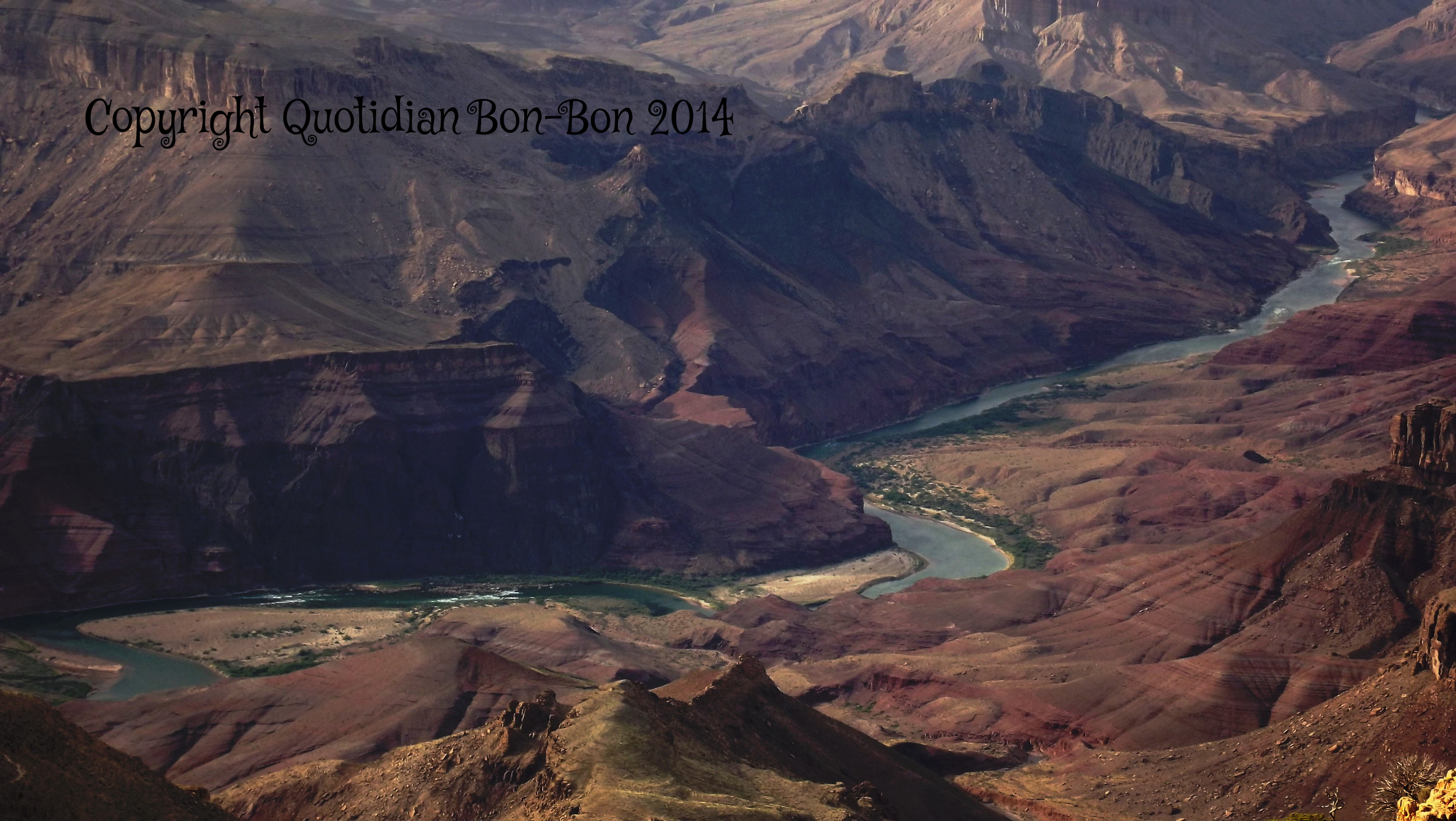
The Colorado River within the Grand Canyon, Arizona
Researchers have uncovered ancient riverways under the sands of the Saharan Desert. The river doesn't flow anymore. It isn't even really visible. Only careful study of the nearby geography and sonar sweeps uncovered these ancient rivers. The scientists can tell these were rivers by their connection to water drainage basins and by their morphology. But the one characteristic that unmistakably identifies a river is water. And there is none there now. Are the scientists wrong to label these paleorivers rivers? Sometimes, a label that used to fit, doesn't really fit anymore. We may continue to use the label as a convenient handle for discussion, but it doesn't quite identify the thing it is applied to anymore.
If it isn't a river, it isn't necessarily an ocean.
People love dichotomies. Up or down, black or white, meat eater or vegetarian. But few things in the natural world are so dichotomous. Just because you've ruled out river, doesn't mean the only options left are desert or ocean. Lake Ontario is not a river. And as wide and deep as it is, it is also not an ocean.
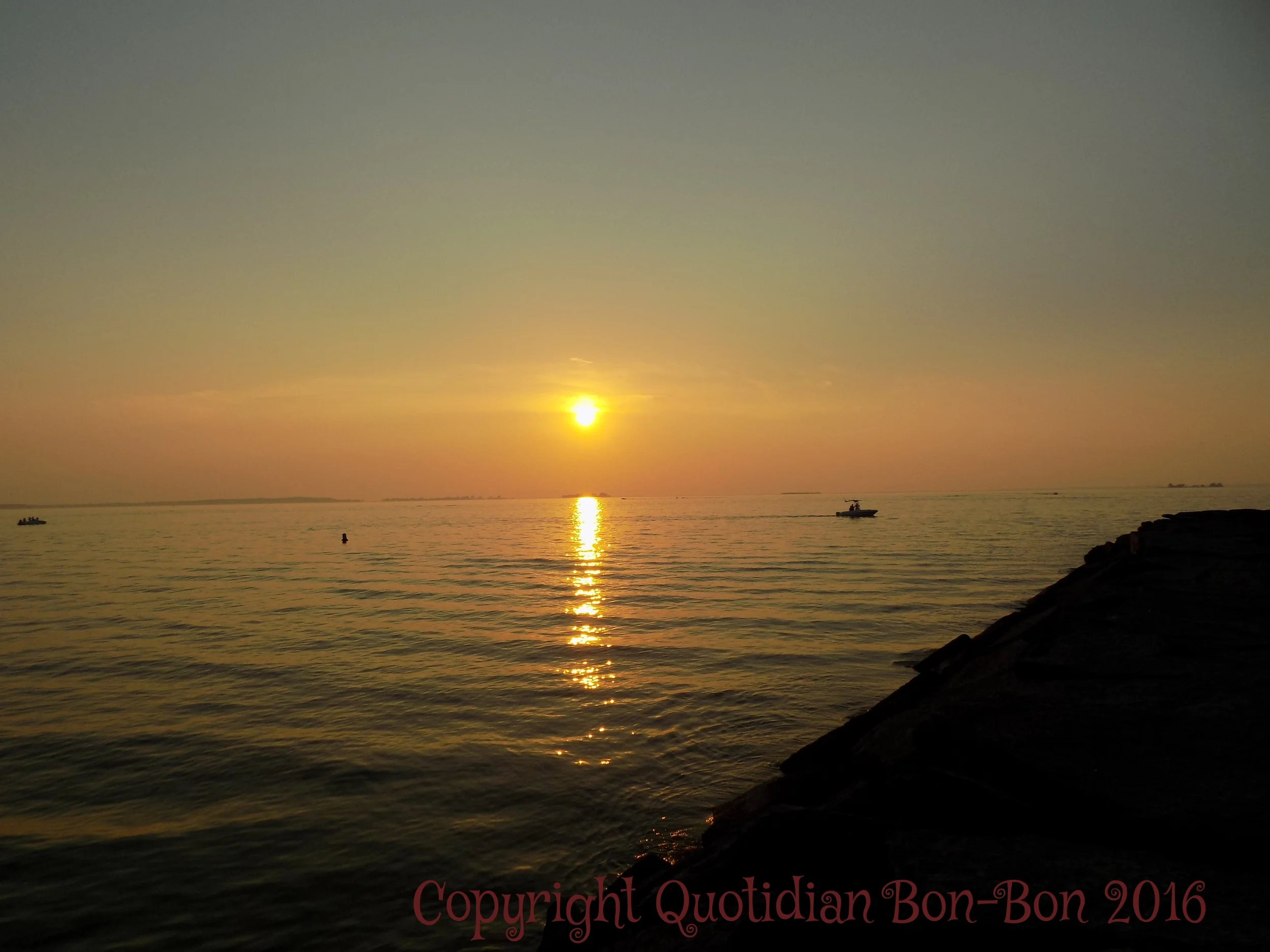
Golden Sunset on Lake Ontario with boat in distance, Westcott Beach, NY
In terms of geography, a sea is part of the ocean partially enclosed by land - National Oceanic and Atmospheric Administration
If we have a dichotomous way of thinking, Lake Ontario is either a lake, or an ocean. But the Great Lakes are something else, something sort of in between, not quite either one. There is some contention about whether to call the Great Lakes inland seas. Inland seas are normally salty and are end point lakes. The Great Lakes are freshwater lakes, formed during the last ice age. Lake Ontario is fed by the Niagara River and drains to the ocean via the Saint Lawrence River. However, some things we call inland seas are freshwater. Is a great lake a lake or a sea? Lakes don't usually have tides. But inland seas don't usually have outlets into rivers. Even between a lake and an inland sea, there is not a clear dividing line. The Great Lakes then, are something a little different. Whether Lake Ontario is considered an inland sea or not, it is certainly not an ocean. So, if we were forced to choose one or the other label, we might come down on the side of very small, fresh water ocean surrounded by land. Or we might say very wide, short, deep, slow moving river. Yes, it has tides and waves. And yes, large ships ply its waters. But Lake Ontario is a lake, not an ocean. It's seiches are not true ocean tides. It is not salty. It does not cover most of the Earth's surface. It doesn't surround land, land surrounds it.
To sum up:
- Categories are fluid. The category itself can change, or be specific to a particular usage.
- Categories can be muddy. It may not precisely describe every example and may overlap other categories.
- A thing can stop fitting a category, even if we continue to use the label in referring to the thing.
- Categories are not dichotomous. If a thing doesn't fit one category, it doesn't mean that it necessarily must fit into an opposing category.
We find labels and categories useful
Why do we insist that a particular fossil must be either human or other ape? Why do we get confused when chicken pox turns out to be related to some other virus? Categories are easy ways to refer to large assemblies of things that we group for easier thinking about them, but you trade ease of use for specificity. The more specificity you want, the more precise the label has to be.
This is true of anything from dogs to bandwidths of light. We name everything. Naming things is so important, it gets special attention in the first book of the Bible as Adam names the animals and plants. And most other holy books spend time telling us how things got their names too. We have whole books called dictionaries and encyclopedias that formalize the labels and categories. Governmental regulatory agencies spend a lot of time and money to nail down the really important categories and how we will label them, like pesticides or class A nuclear waste. They even spend an awful lot of time figuring out how to label things we just want labeled and some stuff we don't all want labeled. Labels help us picture a thing in our mind and string it together with other things in order to better understand it. Balloons float. Dogs bark. Trees grow. Babies cry. These are labels of whole categories of things, and we couldn't even express these concepts, this knowledge, without a label for these categories.
Balloon
Dog
But just as quick as we express such a general concept, we begin to see it has its exceptions. All balloons don't float. All dogs don't bark. All trees don't grow. All babies don't cry. So we think of new subcategories to express new rules that account for this new knowledge. A burst balloon doesn't float while an inflated one does. Two categories, burst, and inflated. Most dogs bark, but naturally mute dogs don't, and neither do those who've been made mute by man, or those that have been trained not to. So now we have four categories, most dogs, naturally mute dogs, artificially mute dogs, trained dogs. And then someone will point out that some dogs barked, but then were trained, or became mute. And how do you define what is a dog anyway? For that matter, what is barking? Are wolves dogs? How about foxes, coyotes, wolverines, or seals? Are things that bark automatically dogs? If a thing doesn't bark, but makes another noise, does that mean it isn't a dog? What if something is called a dog, like a prairie dog, but doesn't seem to actually be one?
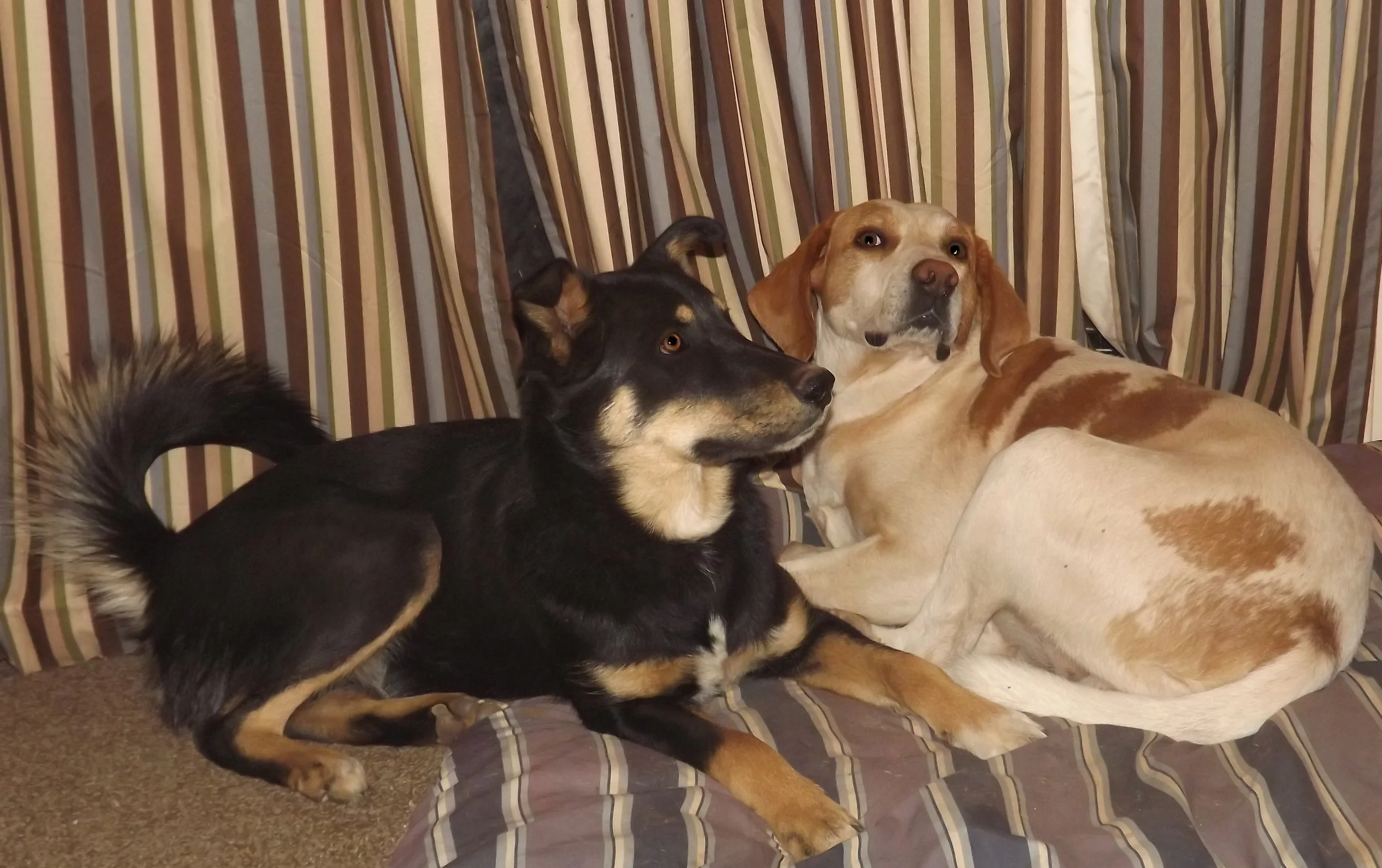
Dogs -Pupi and Jake
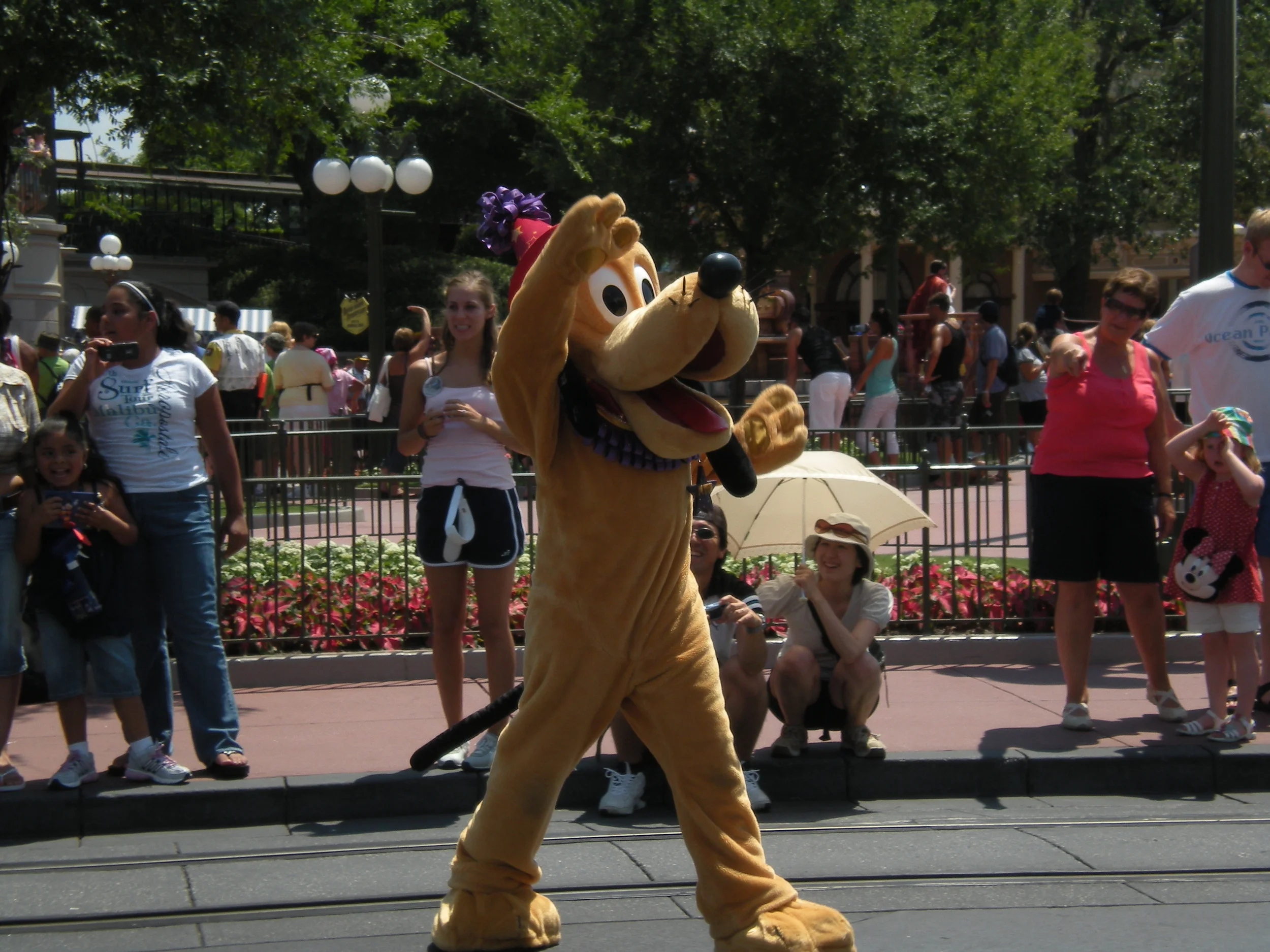
Dog -Pluto in Celebrate Today Parade at Magic Kingdom, WDW, Florida
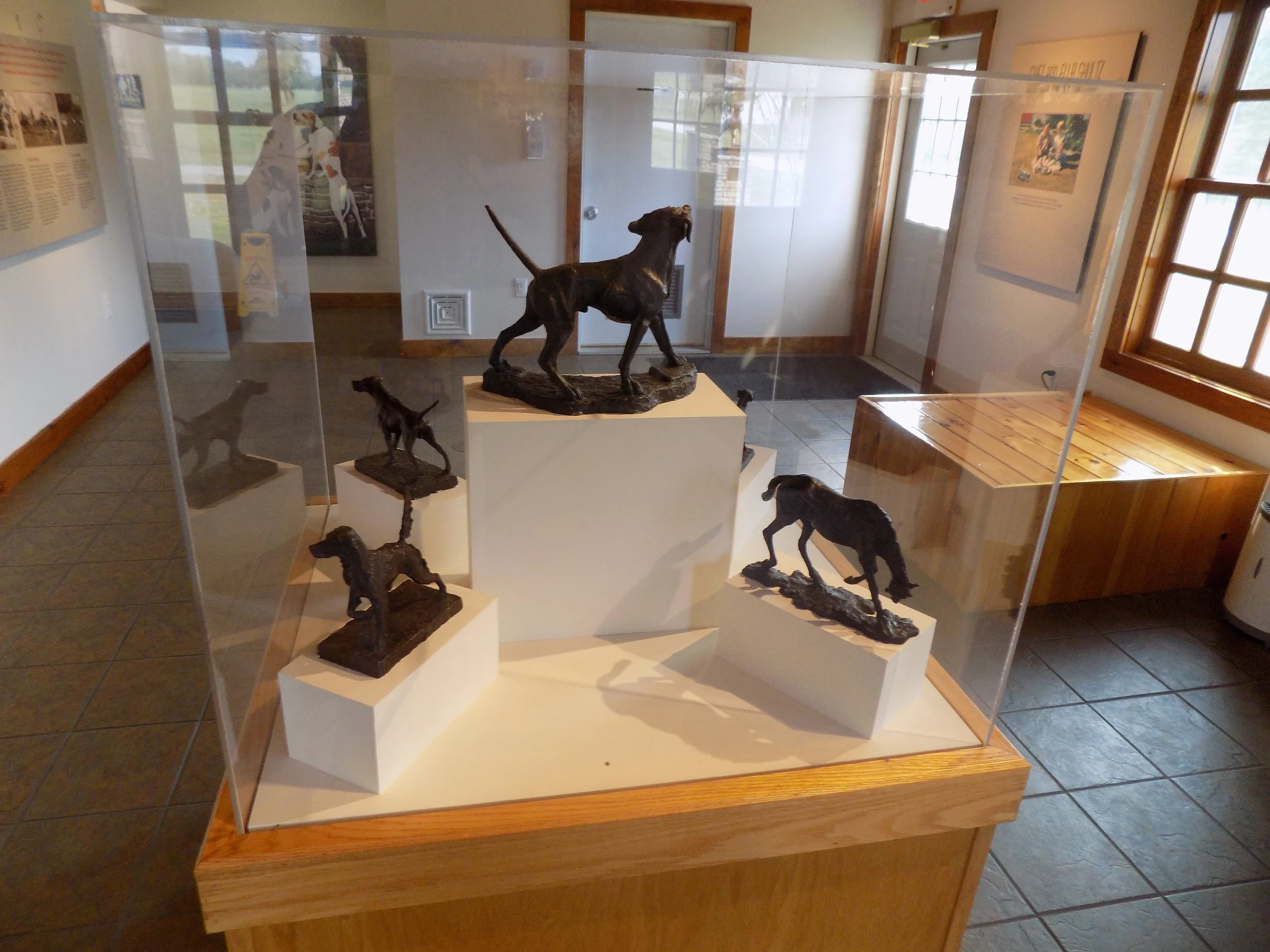
Dogs -Sculptures in case at Robert G. Wehle Dog Park, NY
And the categories overlap and grow. Balloons can be categorized as big or small, round or shaped, mylar or latex or even lead, filled with hydrogen or hot air or helium, red or blue or green, and on and on.
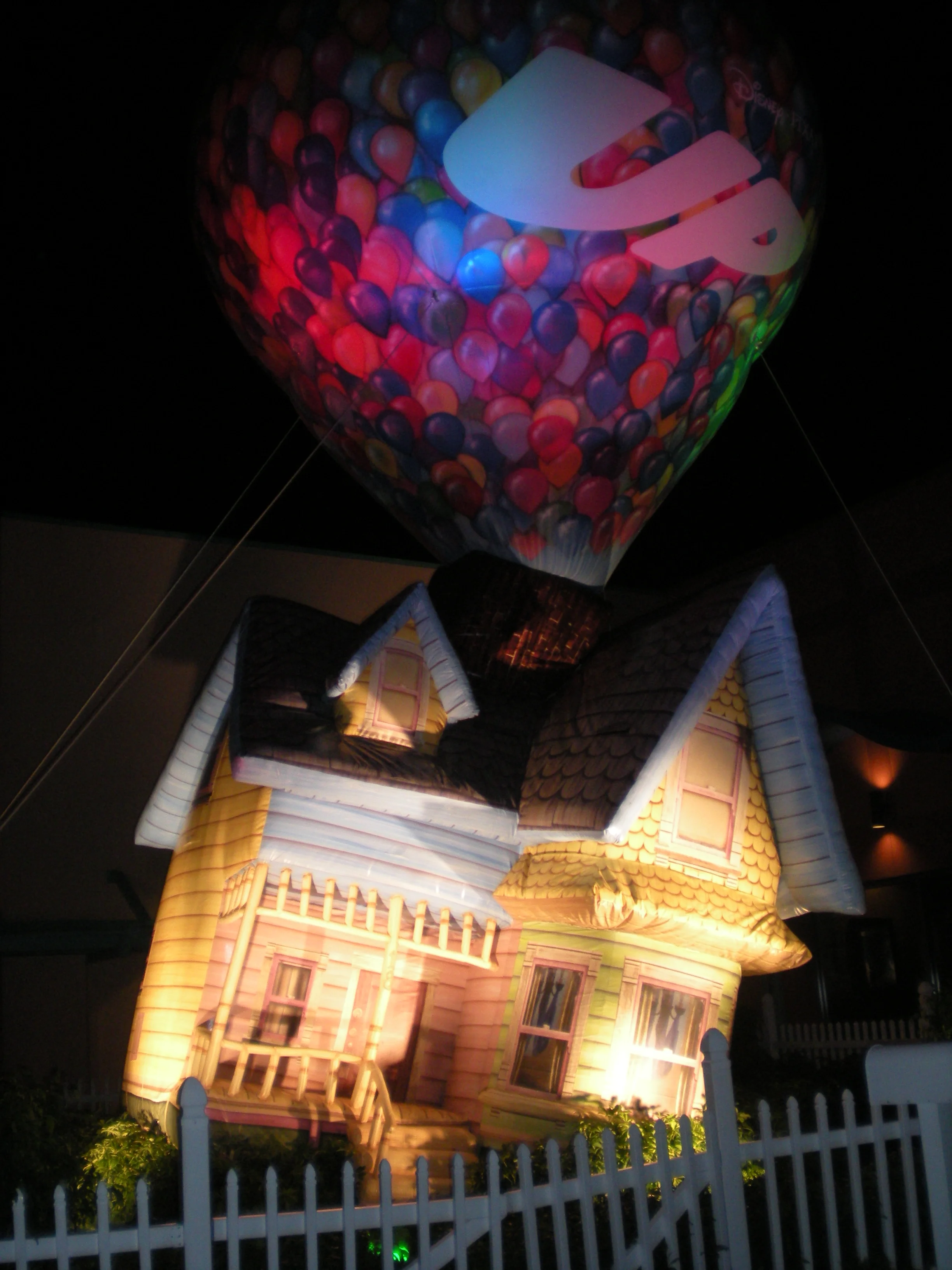
UP! Balloon at Downtown Disney, Florida -from author's collection
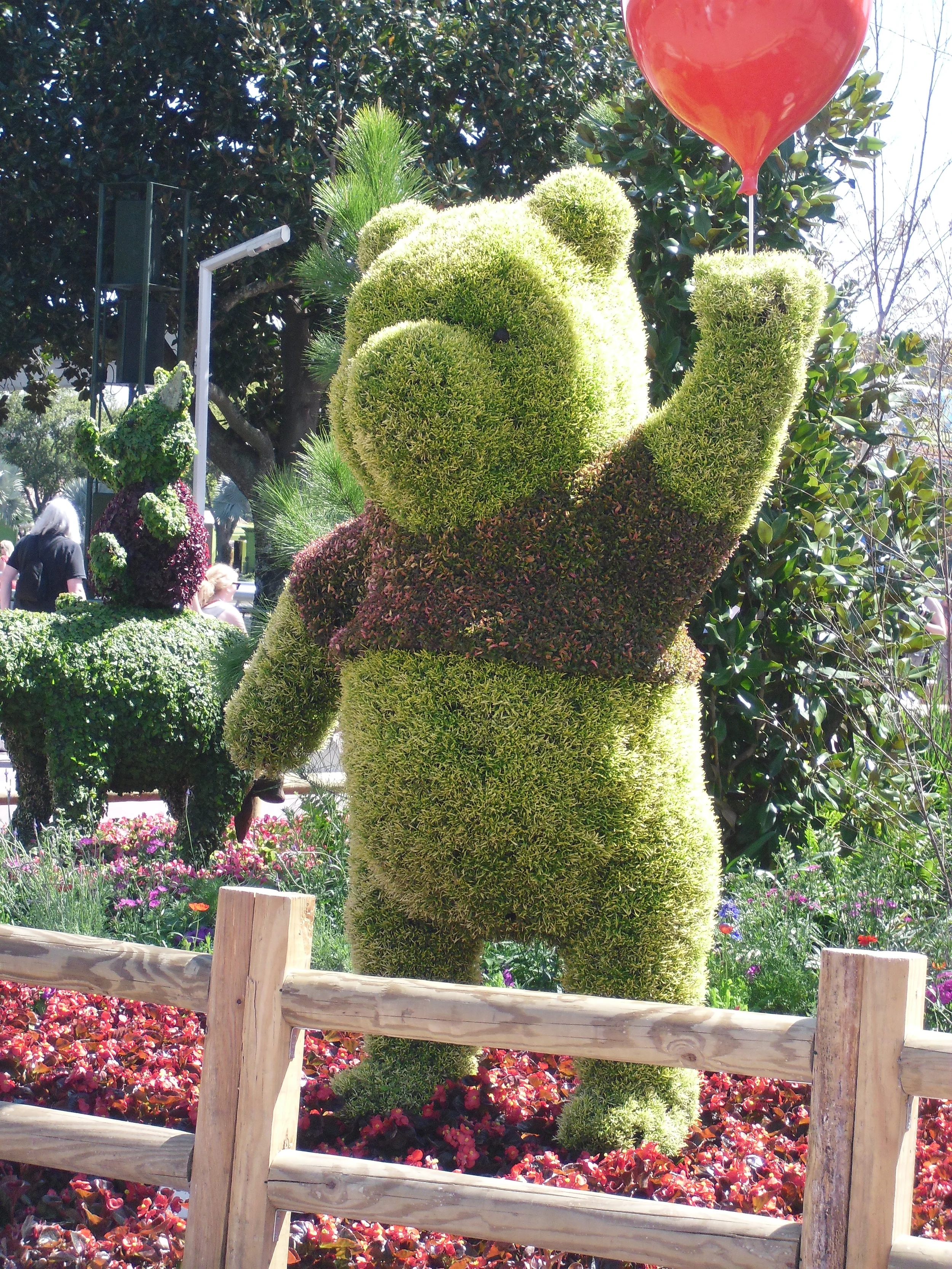
Winnie The Pooh topiary at Epcot's Food and Wine Festival, Epcot, WDW, Florida -from author's collection
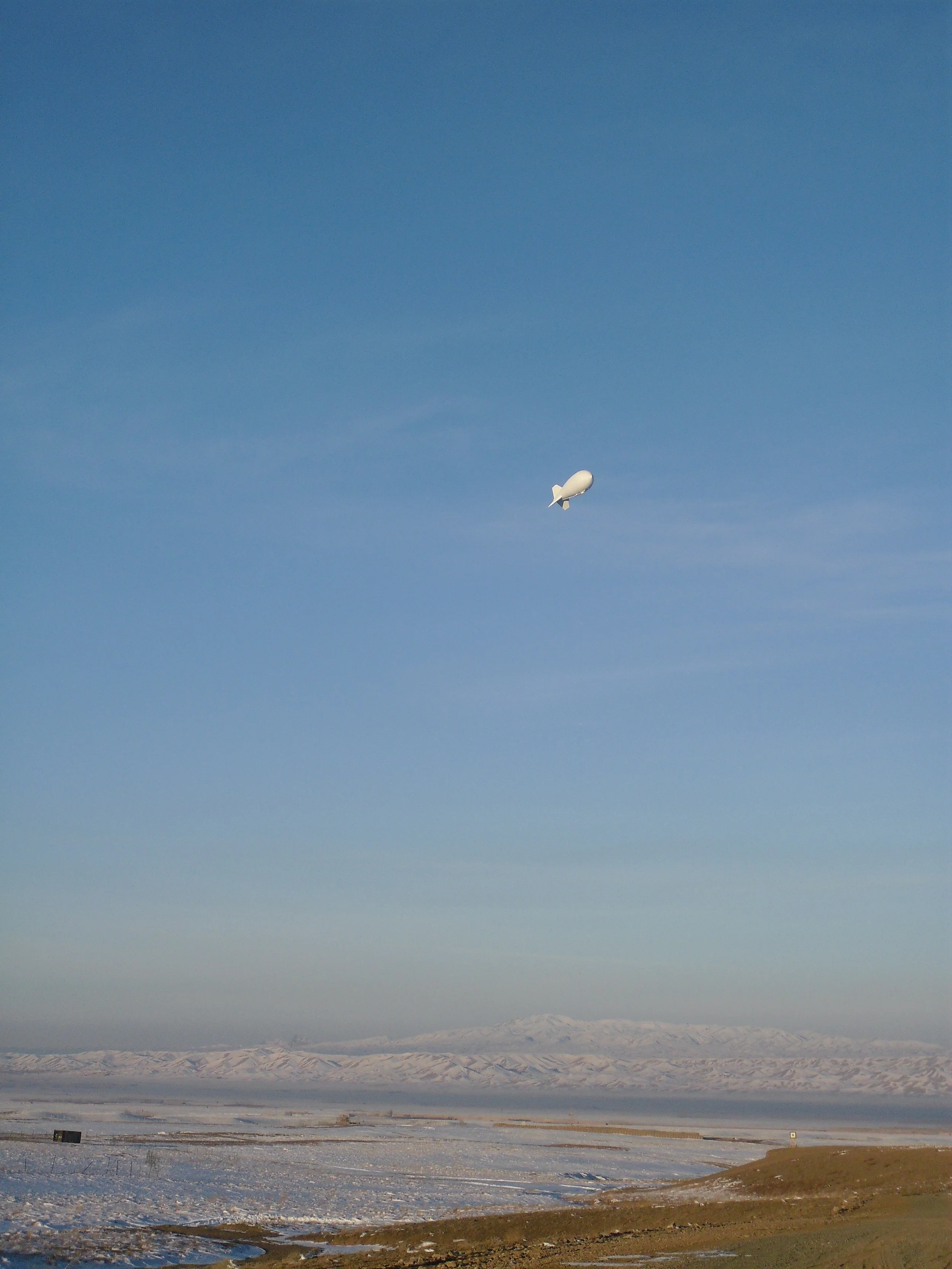
Weather balloon over FOB Sharana, Afghanistan -from author's collection
Despite these failings, we keep making up labels and applying them. We can't really do otherwise. We can't communicate with each other, do research, or deal with the complexities of our world without this ability to group things into categories and label them. The real problem isn't the labels or categories, or even the exceptions and confusions. The real problem is when we become so caught up in the categorization and labels, that we fail to understand the concept they are attempting to describe. So humans are apes, but they are not gorillas. Humans may have more in common with chimpanzees than with pigs, but pigs share our omnivorous diet to an extent that chimps don't. And dogs may not be strict carnivores, but they aren't true omnivores either. Rather, they're sort of half-way to being true omnivores, and no longer true carnivores. Chicken pox and genital herpes are caused by a related virus, but they are not the same disease. We may class homosexuality as a disease one day, as an orientation another day, and as mere variation on another, but homosexuality has not in any appreciable way actually changed. Ultimately, the label describes the thing, the thing does not conform to the label. If we keep that in mind, a lot of the natural world gets a whole lot easier to understand... and to explain.
