

This little "experiment" in blogging is intended to sort of flesh out that very brief little talk I gave, and in the process, maybe it will entertain a few people. Here's the plan. Each week, I'll record a very, very brief little video on some interesting thing I've learned while doing research for the book. I'll explain why I needed to know it in terms of the story, why it's important to get that detail right, and anything else that comes to mind.
Read MoreA Writer Writes, Always... But First, They Research!
I has brains. See? I bought them at the costume store.
I was asked to give a talk to a group of high school students for career day. Now I've had a couple of careers, first as a drug and alcohol and mental health counselor, and later as a helicopter mechanic in the Army. But I wasn't being asked to come and give a recruiter's speech, nor to talk about counseling. No, I was being asked to talk to these kids about my favorite hobby for pay. Look, writing isn't my career. It's not a job, for me. I don't write on schedule, on a budget, or for an editor or publication. I write because I love to write. I dreamed of being a writer all my life, but life got in the way. So, I put it off until I had the time to pursue it. So, for me, there's very little motivation to deal with the hassle of a publisher, or put myself through the agony of trying to make that deadline every week, month, or even year. I write when I want, as much or as little as I want. That doesn't mean I don't want success. I think I have just come to define success differently, now that I've taken a permanent vacation from the timeclock I've punched since I was a young teen. I'm not ready to sit in a rocking chair and sip lemonade just yet, at least not for long stretches of time. So, what am I going to tell a room full of kids about writing as a career?
The plain truth.
Whatever goal you have set yourself as a writer, or an author, you can achieve it. Forget the nonsense from all the naysayers. It's just sour grapes from people who gave up too soon, or set their goals higher than their talent, drive, and know-how could get them. You can succeed as an author, but you have to set your career path according to your goals and abilities. Just how successful you want to be will determine how hard you have to work at it. Define what success is to you, not what the world expects, and then lay out your plan. Then get to work. There's no excuse. Stop pretending that anything is keeping your from writing, but you.
But how?
I'm going to use lots of lists of three here. I've learned through my years of study of psychology, that three is very important. My degree, by the way, is in psychology, not literature or journalism, or even English. That's important, but we'll get to it later. The human brain processes things better when they are broken into sets of three. People remember things better when they are chunked into sets of three. So, here is the first set of three.
To be a successful author, you need to do three things well.
1. READ
2. RESEARCH
3. MARKET
1. READING
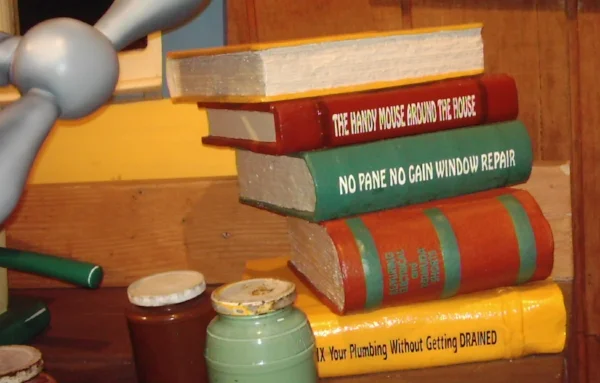
"Books" on display at Mickey's House, Magic Kingdom circa 2004
Do you love reading? Channeling Jeff Foxworthy,
- If you ever walked straight into a wall, because you were reading, you might be a writer.
- If you ever complained that your local library doesn't have enough books, you might be a writer.
- If you ever missed the school bus because you were reading the cereal box, you might be a writer.
- If you ever stopped midsentence in an argument to write something down because "That would make a great title!" You might be a writer.
- If you have ever called into work or school because you stayed up all night reading, you might be a writer.
- If you ever stole a book from the library, because you couldn't bare to part with it, then paid for the book because you didn't want the library to go bankrupt... you might be a writer.
- If you have begged your friends to read your stuff so often that they actively avoid you when you have paper in your hands, you might be a writer.
- If your bed is a mattress and box springs on top of a pile of books, you might be a writer.
- If you ever returned a Christmas or birthday present to buy a book, you might be a writer.
- If you've ever turned down a date to the movies because you haven't read the book yet, you might be a writer.
2. RESEARCH
Research should be second nature to you.
How do you know if you have the kind of dedication to research that you will need to succeed? Ask yourself some hard questions.
- If you are asked for advice, do you avoid speaking off the cuff and shooting from the hip, and tend to hedge your bets and go looking for better information?
- If you see a quotation online, do you try to find the source of the quote?
- If you see bad information, or "fake news" being shared online, do you go looking for the debunk, or look the information up for yourself?
- Do you like following one lead to the next, and then the next, when reading up on something new?
- When you find out you were wrong about something, does that make you even more curious about it?
- Do you find yourself asking questions about even trivial things, and seek out the answers?
- Do you dislike being told the answer directly by teachers or parents, preferring to go find out for yourself?
If you honestly answered these questions yes, there's a good chance that you have the kind of mind that will find greater success as a writer because you get your facts right.
3. MARKETING
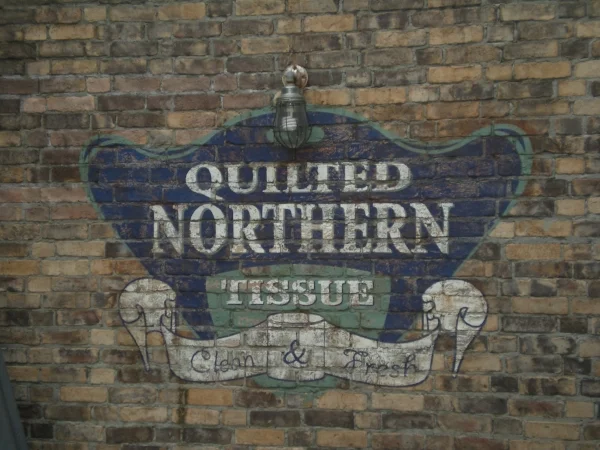
I hope you see my book as slightly better than this. - "Vintage" advertising on brick wall at Disney Hollywood Studios, 2006
You have to be willing and able to do the marketing, or pay someone who will.
To quote Billy Crystal's character in Throw Mama From the Train, "A writer writes, always."
The night was... Billy Crystal in Throw Mama From the Train, 1988
Yes, but no. A writer would like to write, always.But an author has to take time out from writing to do the marketing. Even if you have an agent, a publisher, and a personal assistant, you'll still have to spend at least some of your precious time marketing. If you are self-published, or new to the field, you'll do 100% of it. Big publishers don't waste much time or money marketing unknown quantities. If you don't have a Dr. in front of your name, aren't a friend of Oprah's, or don't have some big money and a famous name already, your publisher will do little more than send your book out for reviews, and free copies to literary buyers and libraries. The rest is up to you. And there's a lot of it, and very little rest. You'll schedule interviews, write and produce commercials, make arrangements for book signings, set up release parties, send out press releases to all the papers and magazines, contact potential thought leaders and media figures, set up free giveaways... and it still won't be enough. Most books are not successful. Period. You have to get used to that, get over it, and keep writing, publishing, and marketing. I hate this part. Most writers hate this part. And that is why most writers never become successful authors. If you want to be the next J.K. Rowling, Anne McCaffrey, or Lemony Snickets, you are going to have to market yourself, hard.
Ok, so that's how you get successful as an author. But you aren't there yet. You aren't a writer yet. One thing at a time. First you need to know if this writing thing is for you. Is it worth your putting yourself through marketing? Is this really what you want to do? Most people think the first question to ask is, can you write? Well, I'm going to assume that yes, yes you can. You don't necessarily need talent. It helps, but it's not required. You don't have to be a perfect speller. You don't have to be William Shakespeare. You just have to know how to tell a good yarn, or engage the reader. To me, the question of "Can you write?" is putting the cart before the horse.
A better question is, do you want to do the hard work of writing well?
If the answer is no, then dream big dreams of hitting it rich doing something else. I implore you. Writing isn't easy. Its primary joy is in doing it well. If you don't like to write, then you are going to have to work twice as hard to keep at it and produce good work. It's not impossible. Famous authors have occasionally admitted they hate writing. But they do it well, and they commit to doing the work. Are you going to? If not, don't waste your time. You could be studying chemistry, learning to program, or getting your certification in underwater welding. All of those generally pay better, anyway. If you want to be Stephen King, you have to spend years pounding out story after story, getting rejected by publisher after publisher, and still, doing it better and better, until they can't so no anymore. Yes, you could get lucky and write a novel about sparkly vampires that just happens to get picked up by the right people at the right time and get the right buzz so as to take off on your first real try. The odds of that happening are roughly equivalent to winning the lottery. But eventually, modestly succeeding has much better odds. If you do the hard work and keep at it, and if you have a story to tell or a hook to gain readers' attention, you'll sell enough of your work to make a nice income and enjoy a sense of accomplishment. Bottom line, writing is an art and a craft. Being an author is a job, like any other. It's not Star Search and there is no America's Got Talent for writers. If you want to make it your career, or just scratch it off your bucket list, or spend your days writing stories for a limited audience that really gets you, you can do that.
So what work do you need to do in order to be a good writer? Three things again...
1. Learn the basics
2. Read
3. Research
1. LEARN THE BASICS
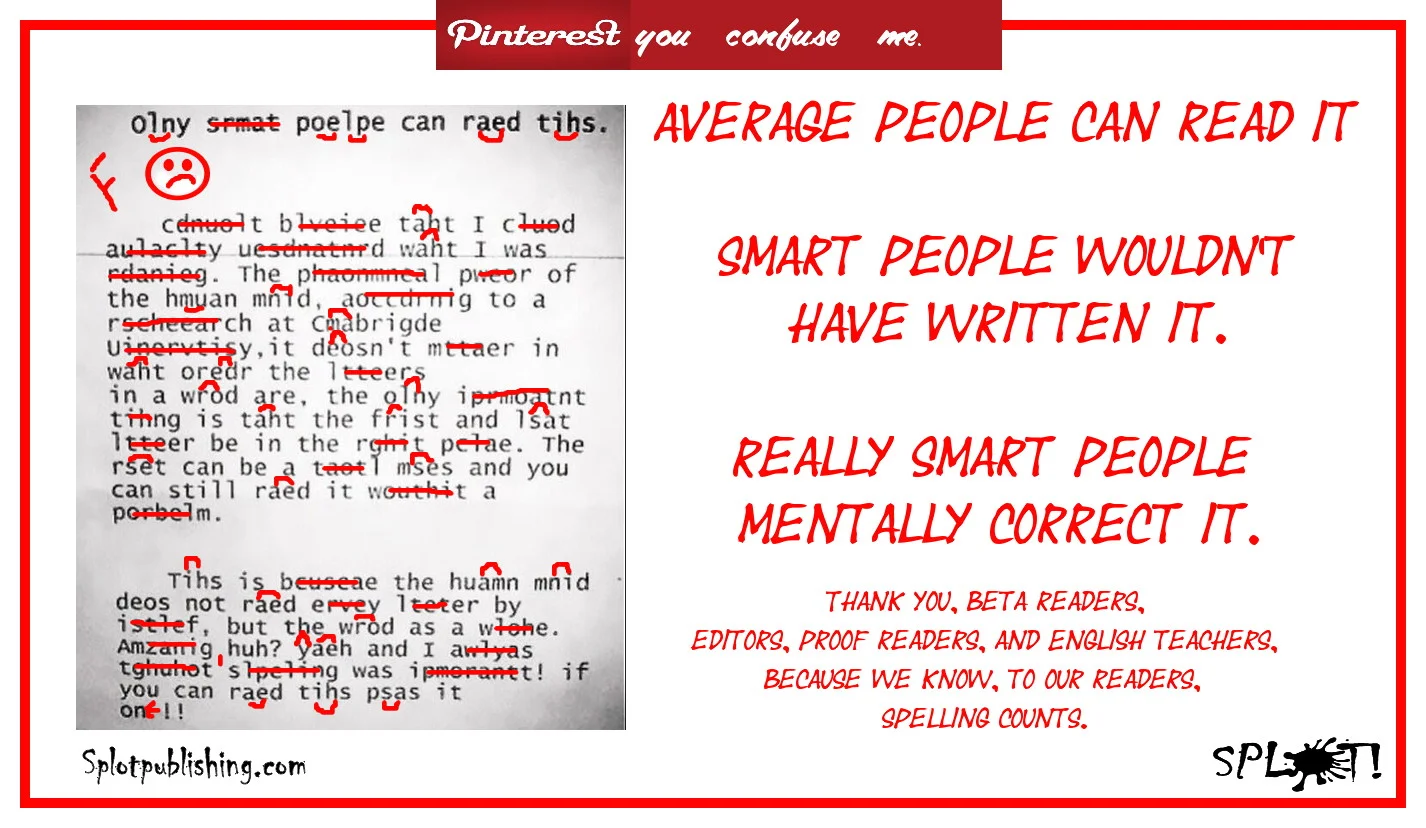
Learn the basics.
Learn the basics of English composition, punctuation, style, capitalization and all the other things your English and literature teachers are trying to pound into you. Later, once you have them down, you'll learn how to break those rules such that you'll get away with it, even get rewarded for it. But you can't successfully break the rules, until you know what they are. You won't get free education again ever in your life. From the time you leave high school, every minute you waste in rewriting, reformatting, and editing, is money you aren't making off your writing. You need to get it done, and get it to the presses to make money off it. That means you need to get it right the first time. You won't. No one does. There is always a mistake to fix, a word to change, sentences to cut... but the fewer, the better. Learn how to do that now, and it'll save you thousands of dollars and many hours in college remedial classes that you will have to take. Because not many people can get away with writing 50 Shades of Grey. Most books that badly written end up in a slush pile or garbage bin. This is boring work, but it will save you tons of time, frustration, and letters of rejection. You are all in high school, and already have been told all of this, right? You want to know the other stuff.
2. READ
Read
Read. A lot. Read every minute you aren't writing. The only way to really learn how to construct a good story, is to read good stories. Read good literature. Read Shakespeare. Read Chaucer, and Poe, Dickens, and Twain. Read Hans Christian Anderson and Baum and Roald Dahl. Every author who ever lived copied someone before, right back to our simian ancestors who mostly just communicated "Ook" which was ape for "banana", but he could really put a spin on that ook. He'd make you want to not eat your banana because it represented the power of the state to suppress you and take all the bananas for themselves. Our simian author ancestor was that good. Everyone after, is just a hack, copying and pasting.
Maybe that's a slight exaggeration, but you get the idea. Learn what stories have come before, but more importantly, learn how they were told. Should you put the fight scene at the beginning, or the end? Should your story be plot driven, or character driven? How do you play with the arrangement of words to increase tension, or lighten the mood, speed up the action, or slow it down?
Don't limit yourself to good literature. Check out some bad literature too. If you love comics, go looking for some of the worst examples of them. Look for stale, tired story arcs and characters that make you hate them and dialogue that makes you roll your eyes so hard you see your own brain. Bump them up against the good stuff and ask, "Why is Batman good, but this Dark Man stuff so darn hackneyed and disinteresting? You will learn at least as much from the bad stuff, as the good, but don't neglect the good. You need that bedrock foundation to build from, and compare to. So that was obvious, wasn't it?
3. RESEARCH
Research
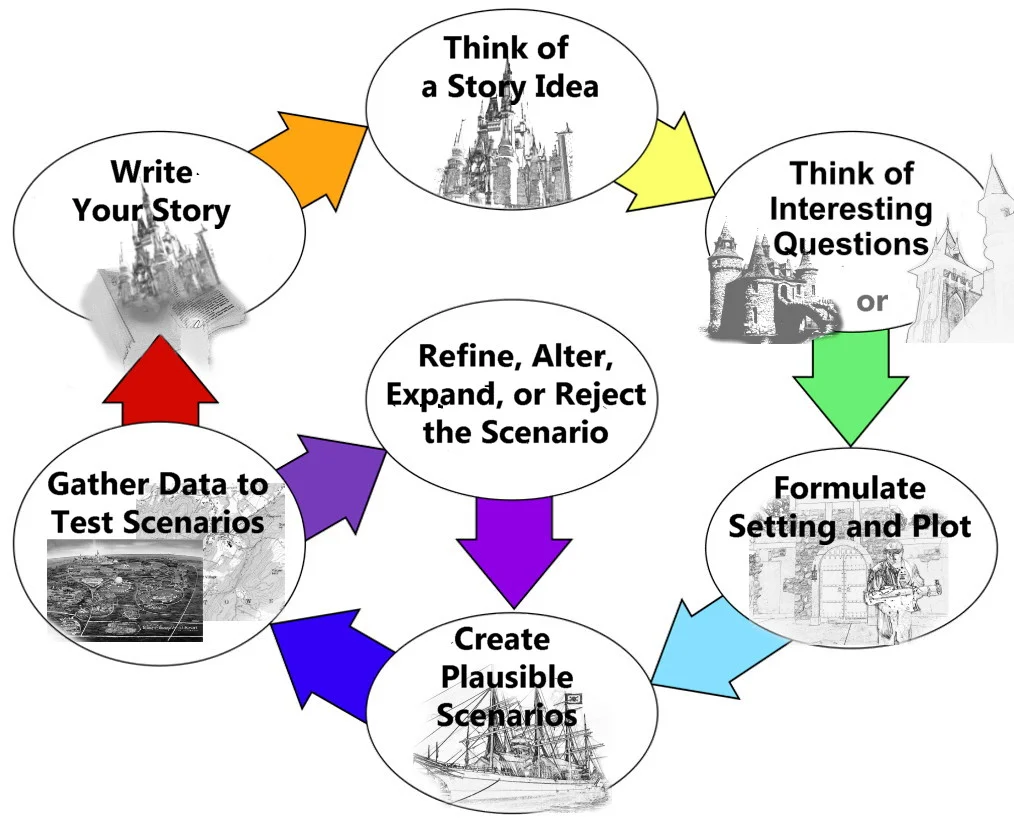
Research. There, I said it again. Research, research, research. That's what I'm going to spend the bulk of my talk talking about. I became a writer, because I love to write. I got good at it because I research. I get better all the time, through research. The first sale I made, I made because I researched. And the first good review I got, referenced my research. Research makes the difference between Gravity, and Space Balls. If you aren't Mel Brooks, you better do your research!
Research
No matter your genre or style, research is important. Don't think because you write two-hundred page romance novels about sparkly vampires that solve mysteries, that you won't have to do any research. Have you ever wondered why many of Stephen Kings novels seem to be situated in Maine? Or why Twilight takes place in a real town that you never heard of before Twilight became a thing? That's easy. King comes from Maine. Stephanie Meyers comes from that Podunk little town that she features in her books. This is the smartest thing Stephanie Meyers ever did. I'm not just saying that to be snarky. It is snark, but it's not just snark. It was smart because Stephanie Meyers knew that town. She knew how the streets were laid out, where the school was, how easy it was to get around, how the shadows fell when the sun was setting or rising, what kind of trees grew nearby... she knew it because she lived there. And that saved her a few hundred hours of research. So, keeping that in mind, here's another list of three.
Three kinds of research
Whether you are a scientist, a journalist, or a fiction writer, you have to do research. And all research falls into three basic categories.
1. Literature Review/Book Research
2. Experimental Research
3. Experiential Research
1. LITERATURE REVIEW
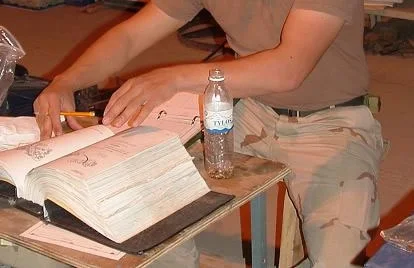
Looking up the task the way we used to do it. Aren't you glad we have computers now?
Literature Review
This is the kind of research you've probably been doing as a student. When your teacher tells you to do a report on the Rise and Fall of the Roman Empire, she doesn't expect you to travel to Italy, nor to start pouring concrete and testing it for tensile strength. Your history instructor expects you to go find some good, primary sources on the subject matter. Since you don't speak Latin (probably), you'll need to find an English translation of Homer or Cicero. Maybe you'll reference a modern historical researcher. You'll almost certainly go online and Google a few facts. This is great research, and it's the bulk of all the research done for writing. It's also the first step most scientists use when doing their own original research, in order to know what the people before them have already done. They will of course be referencing scholarly journal articles and books in their own field by experts, while you are referencing books generally intended for the non-expert.
This is where that love of reading comes in!
Before I ever set down to write 3 Shots Fired from Cinderella Castle, I read many, many books, articles, and historical documents on Walt Disney World. I had already been producing a series of videos on YouTube and occasionally writing helpful little blog posts about where to find the best food, or how to avoid the worst annoyances in the parks. But I also read very specific things you might not think of. When I wanted to explain how my hero had gotten into the park without getting caught, I read a couple books like Disney After Dark to find out how others had done it. I also read a few police reports! You wouldn't believe some of the stuff people have done to get in for free, or to visit areas they aren't supposed to... and how dangerous it often turns out to be. People have died trying some of these tricks, so I don't recommend copying them. But it was illustrative and helped my story make more sense.
One of the more interesting things I had to know about was how the fireworks at Disney Parks operate. The fireworks in the parks are nothing like the bottle rockets and Red China Dawn Fountains we shoot off at home. But I had assumed they were like the fireworks I had seen fired up at our community fireworks display at Fort Sheridan. The original draft of my story would have had my people setting fire to themselves and destroying historic landmarks! I had to do some massive rewrites. Disney fireworks were specially designed for their twice nightly performances from within a crowded venue. They don't shoot in the same parabola as ordinary fireworks because they aren't launched the same way, or shaped the same. Their angle of ascent is steeper, they fly higher, and they disintegrate more fully before landing. And all of that meant my original intent for the finale would simply not work. Anyone who had ever watched a television special about Disney's vaunted special effects crews would notice. Disney fans are very particular about their details. I'd never get away with it. And that's a valuable lesson guys. You have to be willing to kill your babies. That is, you have to be willing to take several pages, even whole chapters, and ball them up in a very small wad, and launch them at the old circular file. It didn't matter how many hours I had spent writing the most cool final battle scene in the history of theme parks, it just wouldn't wash. I like the new finale. I like the change in tone it caused. But I never would have written it, if those dratted fireworks had not been so doggone unique.
There's a huge list of things I had to research in this way. Here's just a taste (spoilers?)
- tsunami formation
- wave action in a closed bay
- maximum wave runup under a variety of conditions
- flood effects in coastal areas
- flood evacuation routes in Florida
- alligator behavior during floods
- emergency evacuation procedures
- shelter in place practices, especially at Walt Disney World
- maximum speed and travel distance of an electric conveyance vehicle/mobility scooter
- locations of backstage entrances to Epcot
- number and type of weapons utilized and available to Disney security
- names of police, security, and fire departments in and around Orlando
- airplane and helicopter tail numbers and call signals
- nearest National Guard bases
- the name of the building located at a certain location in Epcot
- wear the water that drains from Spaceship Earth is discharged
- number of times WDW has been evacuated in the last two decades
- security measures at the Magic Kingdom
- who manages the alligators in Bay Lake, and how
I'm pretty sure that I am now on some terror watch lists due to my search history for this one.
2. Experimental

Experimental Research
Sometimes, books and journals just won't have all the answers you are looking for. Scientists start out knowing their whole purpose is to do experiments. Authors, mostly assume they won't have to. Even to the extent many used to have to, we modern writers get to benefit from the work of past scientists and writers who've done it for us. Remember that parabola of fireworks? Well, I don't actually know how to properly calculate that. I'm sorry to admit that I stunk at physics. I nearly failed the first time I took a physics class. My algebra isn't much better. But I happened to be privy to some cool information via my friends in aviation. See, there are these cool online calculators that will literally do the entire calculation for you! Yep, all you have to do is enter in some basic information like wind speed, caliber, burn rate, etc. and it tells you how high and how far and at what force your ballistic projectile will fly. It figures that parabola for you. Neat! So figuring out that flight path was the absolute hardest thing I had to do for that book, and the only experiment.
Science fiction tends to be rife with stories of writers who had to pull out slide rules and beakers and do some experimenting to figure out if their plots would even work. Robert Heinlein famously told a story about how he had to use yards of butcher paper and a slide rule to determine the ballistics trajectory for the rockets in one of his juvenile fiction stories. Makes me glad for computers!
3. EXPERIENTIAL
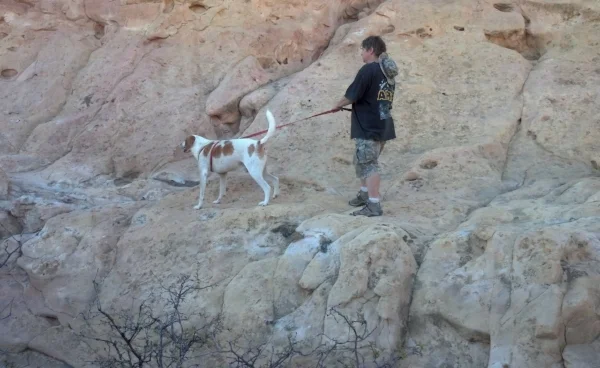
The author with my hound dog, Jake, as Sandstone Bluff, El Malpais State Park, NM
Experiential
This one is the hardest one to explain to non-writers, but is indispensable to good writing. You can write successful books without it. You can write technically correct books without it. But you can't write great books without it. Experiential research isn't as direct or fact driven as the other two kinds. Instead, it adds to the authenticity of the work by helping you put the reader right into the thick of it. It does this by putting the writer right into the thick of things. The writer has to go out and experience life! Agatha Christie could write about an English fox hunt because she had attended an English fox hunt. One of the best examples I can think of for this is the incredible and gritty book, We Were Soldiers Once. The author is the general who had led his troops in battle. He could make you feel their fear, pain, exhaustion, anger, and exhilaration because he had worn their uniform and fought beside them.
Ok, that's awesome, but we can't go out and join the space corps nor travel back in time to kill Hitler with a shot of palonium. True enough, but we can do everything short of it. If we're writing about space, we can attend a launch at Canaveral, review old footage of actual space travel, pay to be spun in a centrifuge, try walking in a space suit underwater, visit the desert locations where astronauts have trained, got to the museum and take a look at an actual lunar module, or even buy your own used space suit. We can eat astronaut icecream and try to manipulate small parts while wearing large, bulky gloves. All of these experiences with touch, taste, smell, hearing, and spacial location help us to better describe the experiences of our fictional space traveler.
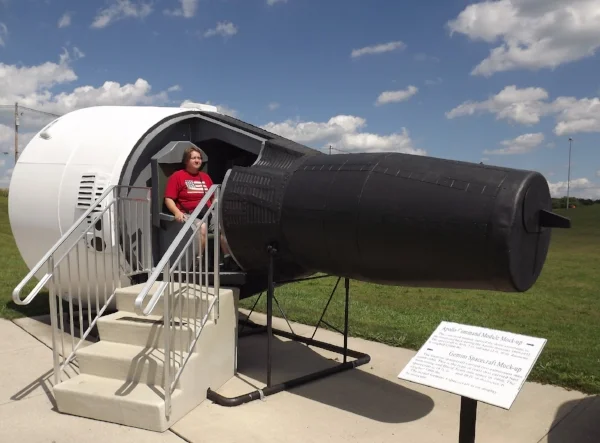
It looked more exciting on TV. At The Neil Armstrong Air And Space Museum, OH
For 3 Shots Fired from Cinderella Castle, I had already done a good deal of experiential research. Some of you may have done some of this same research. Here's some of the things I did that helped me write Doug and Rick's experiences more authentically.
- visited Walt Disney World
- piloted a small boat
- rode a paddle boat
- flew a small model aircraft
- created a YouTube video
- stayed in a hotel
- walked in the rain
- crossed a ravine by balancing on a large round pipe
- fired a gun
- run through the woods
- waded in deep, swift water
- walked on a rickety bridge
- driven a small motorized vehicle
- driven an empty box van over rough terrain
- rode in an RV
- walked through the utilidores in Magic Kingdom
- toured Epcot while it was closed
- went into a backstage area at Walt Disney World
- crawled through wet grass
- suffered a head injury
- rode in a bus
- hitched in the back of a pickup truck
I'm sure you can think of other things you've done that are similar to the things our heroes did.
When you're writing, try to imagine yourself in that circumstance and then think of all your senses. When I fire a gun, it makes a loud noise. It's sharp in my ear, and makes my teeth hurt and the top of my head vibrate on the inside of my skull. I smell the burnt powder and oil. I feel the cold of the metal against my cheek, then the heat of the escaping gasses. I feel a kick of the weapon in my shoulder and against my cheek, and the hot cartridge falling on my hand or or kicking back into my face. For a moment, time is slowed, then it speeds up. I am very aware of the wet soil under my stomach and the ache in my elbows from the grit. I see very little, as I am squinting one eye and aiming at a tiny point in the distance. Everything else fuzzes up. I can't see the bullet hit the target, but suddenly there is a tiny point of light in the dark background of the silhouette. Ok, now do that for every single thing your characters are doing, feeling, or remembering. Now cut that out. Your book is getting too long and too bogged down in detail. You have to pick and choose which are important, which really put your reader into your character's shoes, without distracting from the story. This is how you don't just author a successful book, but write a good story.
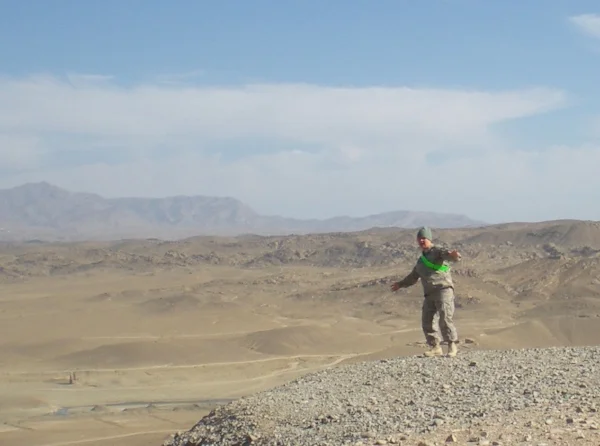
This was fun, right until I slid off and down about a half mile of gravel. Don't try this at home.
I guess if I could give you just one piece of advice about how to be a good writer, or a successful one, I would have to say this. Just do stuff. Get out and experience things. Pursue interests in the wider world that require you to use all your senses. Smell flowers, touch things, take classes, camp or hike or mountain climb, eat and drink something new every chance you get. Visit different towns, different states, different countries as much as you can within your budget. Try to learn another language, even if you only master a few words. Volunteer at a hospital, soup kitchen, scout camp, anywhere where you will be exposed to people very different from yourself. Just do everything you can. Then, use all of it.
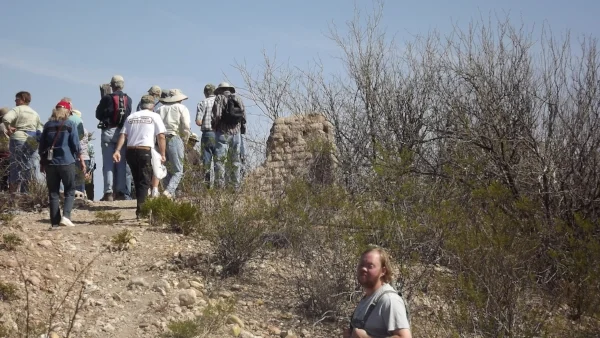
Old Clanton Ranch ruins, San Pedro Riparian, Arizona
Disney Movies are Still Sexist... Right?
Cracked recently put out one of their better sourced articles with a title that makes a pretty damning claim, titled: 5 Ways Disney Movies are Even More Sexist Than the Classics (An alternative title lists it as 5 Ways Disney Has Actually Gotten More Sexist Over Time). Of course it got a lot of clicks and comments with no shortage of people calling bullshit on their claim. Are Disney movies like Frozen and Brave really more sexist than the classics, Cinderella and Snow White? Is that possible?
In a word, and this is just my opinion at this point, no.
Read MoreScientific Skepticism: Distinguishing Reality from Imagination!
I usually write these articles as conversations with my mom. For fun, and because my latest book is set in Walt Disney World, I decided to present the first half as a conversation between Figment and his friends.
What is Scientific Skepticism?
Well Figment, I'm glad you asked...
Walt Disney World Details I Discovered While Researching My Book
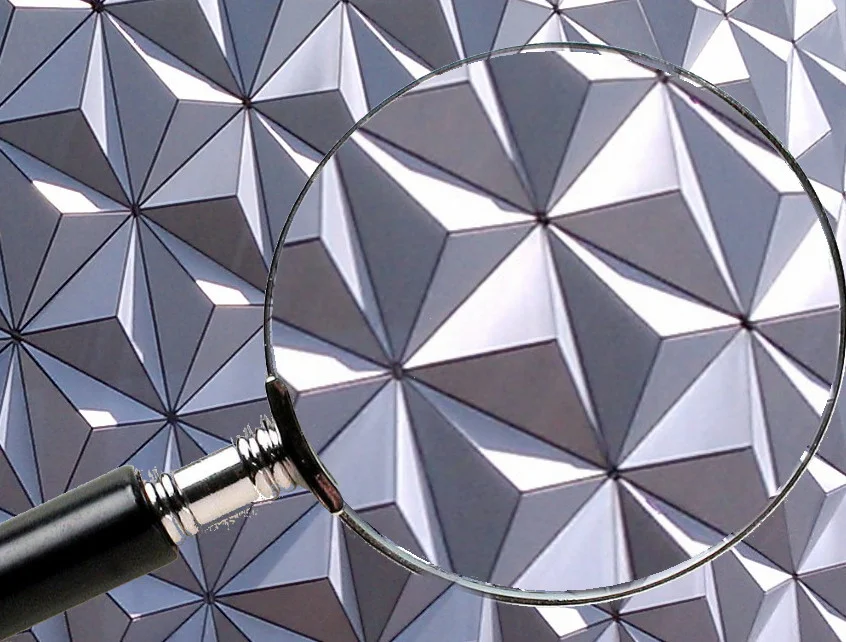
What are these made of? Read Three Shots Fired from Cinderella Castle to find out. Or just ask your tour guide!
I learned a few things over the course of my research. Details are important to Disney fans. In that light then, allow me to share some of my favorite details that make appearances in my new book Three Shots Fired from Cinderella Castle, some to a greater extent than others.
Read MoreResearch - No Lab Coat Required
I don't like to write too much about writing. It bores non-writers, and most writers have already heard it all. I'm not Stephen King or George R. R. Martin. No one cares about myprocess. But every now and then I feel the need to defend writers of all kinds. Yeah, I have a hero complex, I guess. I also feel the need to correct false information, no matter how well intended. And I love my fellow wordsmiths. So imagine what my reaction is every time a skeptical friend suggests that reading is not research.
Ok, to be fair, I am fully aware that they are referring specifically to people who think they can argue science with scientists based on a few hours of Google U. It's just that when you say people who do their research online, or in a library, are doing inferior research to those wearing white lab coats, you are doing a disservice to both groups. So, for my skeptical friends, and my many unskeptical friends and family, indulge me while I talk about research and its importance to writing.
Read MoreWhen a Writer Says They Are Researching–What’s Natural?
I know what nature is. I go hiking, caving, biking, swimming and camping. I’ve visited the Grand Canyon, Niagara Falls, and the mighty Mississippi. I swam in the Black River and two of the Great Lakes. I’ve watched sunsets in Hawaii and Florida. I’ve caught lightning bugs and been startled by snakes. I’ve had poison ivy, and eaten wild blackberries. Doggone it, I know nature when I see it. You do too, right? So ok, what is it?
Read More
Quisque iaculis facilisis lacinia. Mauris euismod pellentesque tellus sit amet mollis.